

Key Takeaways
- Talk with the care team about symptoms, medications, follow-up appointments, and what the dementia diagnosis means for daily life.
- Organize legal, financial, insurance, and health care documents early, and review powers of attorney and advance directives.
- Improve home safety by addressing hazards, maintaining familiar routines, and using simple visual reminders when appropriate.
- Discuss serious changes with the care team if memory, judgment, or orientation begins affecting safety.
- Consider memory care when your loved one needs more consistent support with personal care, daily routines, or safety.
Next Steps After a Dementia Diagnosis
A dementia diagnosis can bring new questions for your loved one and your whole family. But you don’t need to make every decision about the future right away. Start by learning what the diagnosis means, identifying your loved one’s current needs, and deciding which plans require attention now. That’s the key to thinking things through and making the right decision.
After a dementia diagnosis, families can work with the care team, review legal and financial plans, make practical changes at home, and build a reliable support network. Over time, you can also consider how your loved one’s needs may change and whether additional care would be helpful. Taking these steps gradually keeps the focus on the person, their preferences, and the support they need.
Start With the Diagnosis and Care Plan
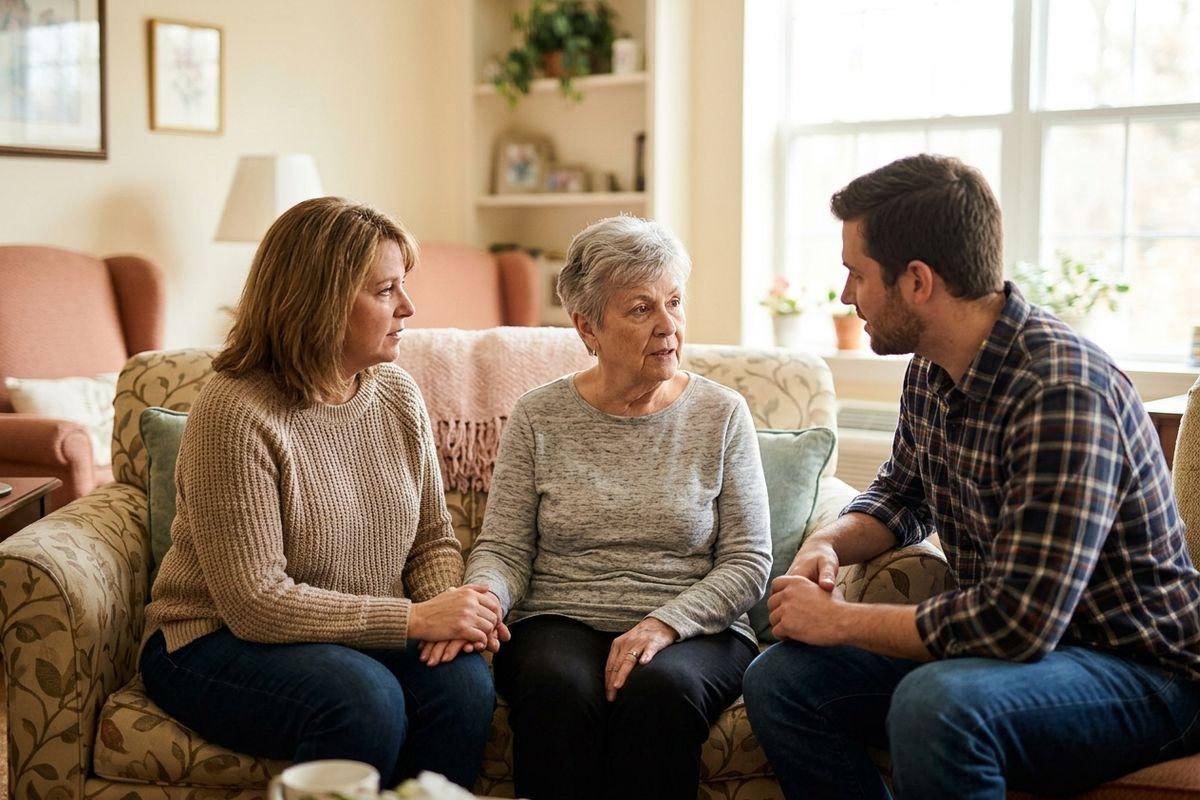
Talk with your loved one’s care team about what the diagnosis means now, rather than trying to plan for every possibility at once. Ask about current symptoms, medications, follow-up appointments, and changes that deserve attention. Keeping a written list of questions can make these conversations easier to manage.
Your loved one should remain part of these discussions whenever possible. Their preferences, routines, and priorities can guide decisions about daily support and future planning. Staying connected with the care team also gives your family a reliable place to bring new questions as needs change.
Review Legal and Financial Plans
Early planning gives your loved one an opportunity to participate in decisions about their future. It can also provide clearer direction for family members who may eventually need to manage health care, legal, or financial matters.
Organize Important Documents
Gather important legal, financial, insurance, and health care documents in one accessible place. This may include a will, advance directives, insurance information, and financial records. Review existing documents for anything that needs to be updated, and make sure the appropriate family members know where they are stored.
Review Decision-Making Arrangements
Medical and financial powers of attorney can identify who will make certain decisions if your loved one becomes unable to do so. If these documents already exist, review them to make sure they still reflect your loved one’s wishes. Requirements vary, so consider legal guidance if your family has questions about these arrangements.
Ask for Professional Guidance When Needed
An elder law attorney can answer questions about wills, powers of attorney, advance directives, and other legal planning. Financial professionals can also help families prepare for future expenses and financial decisions. Local aging organizations may provide additional information or connect you with appropriate services.
Make Daily Life Safer and More Manageable
Dementia can affect memory, judgment, orientation, and familiar routines in different ways. Look at your loved one’s current habits and surroundings first, then focus on changes that provide useful support without unnecessarily disrupting daily life.
Review Safety at Home
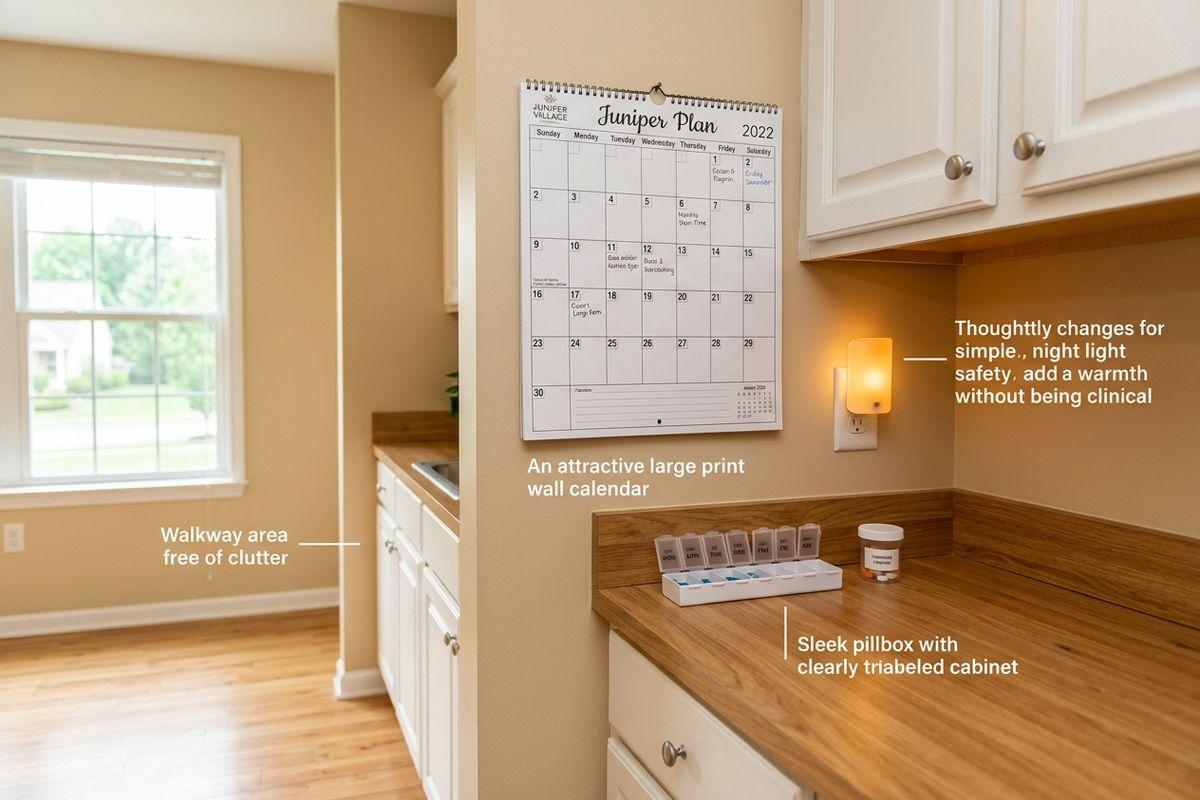
Look around the home for hazards that could make everyday movement more difficult, including loose rugs, cluttered walkways, and poor lighting. Keep commonly used belongings in familiar, accessible locations. Focus on practical changes that support safety without unnecessarily disrupting your loved one’s routines.
Create Familiar Daily Routines
Consistent routines can provide useful structure for meals, medications, personal care, and other daily tasks. Simple visual reminders may also help your loved one navigate familiar routines. Depending on their needs, these might include a large-print calendar, organized pillbox, or labels on commonly used storage areas.
Review Driving Safety
Changes in memory, judgment, or orientation can affect driving safety. Getting lost on familiar routes, missing familiar turns, or becoming confused behind the wheel may warrant a conversation with your loved one’s care team. They can discuss whether a formal driving evaluation or other next steps are appropriate.
How to Tell When Memory Care Can Help
As dementia progresses, your loved one may need more consistent support with daily routines and personal care. Changes such as wandering, disrupted sleep, difficulty eating or bathing, or increasing safety concerns can signal that the current care arrangement needs to be reconsidered.
Memory care communities provide an environment designed around the needs of people living with dementia. Consistent routines, familiar team members, and purposeful programs can provide structure while creating opportunities for connection and engagement. Personalized support can also reflect each person’s interests, preferences, history, and familiar routines.
Moving Forward After a Dementia Diagnosis
Knowing what to do after a dementia diagnosis starts with focusing on what your loved one needs today while preparing for changes over time. Medical follow-up, practical planning, a supportive home environment, and a reliable network can give families a clearer path forward. Through each decision, your loved one’s preferences and personality should remain part of the conversation.
At Juniper Village at Paramus, memory care nurtures each person’s individuality through personalized support, meaningful programs, and opportunities for connection. Families can explore memory care before an immediate move is necessary and learn what additional support could look like as their loved one’s needs change. Book a tour of Juniper Village at Paramus today, and come discover the difference we can make for your family.