


Key Takeaways
- Avoid memory-testing questions, such as “Do you remember me?” or “What did you eat for breakfast?” Share familiar stories instead.
- Don’t argue over forgotten details or repeatedly correct harmless mistakes. Focus on what your loved one wants to communicate.
- Avoid repeating upsetting news unnecessarily, using patronizing language, or speaking about someone as though they aren’t present.
- Keep conversations simple. Ask one question at a time, offer limited choices, and allow enough time for a response.
- Meaningful communication remains possible with dementia. Patience, familiar subjects, and respectful language help families maintain connections.
How Your Words Shape the Moment
Living with dementia changes how a person remembers information, follows conversations, and responds to questions. For families, this can mean adjusting the way they speak with someone they’ve known for decades. Familiar conversations might take a little more patience, but there are still plenty of ways to share stories, laughter, and time together.
Conversations to avoid with a loved one who has dementia include memory tests, repeated corrections, arguments, upsetting reminders, and language that feels patronizing. Instead, families can focus on familiar subjects, simple questions, and reassuring words. A few changes in how you communicate can help you and your loved one feel more comfortable together.
Conversations to Avoid With a Loved One Who Has Dementia
Certain questions and comments can leave someone with dementia feeling confused, embarrassed, or frustrated. Knowing which conversations to approach differently helps you communicate with more patience while respecting your loved one’s feelings.
Questions That Test Their Memory
Asking “Do you remember me?” or “What did you eat for breakfast?” puts pressure on your loved one to recall information they might not have access to. Even questions about happy memories can feel like a test when there’s an expectation of getting the answer right. Instead of asking them to remember a family vacation, share something you remember about the trip and give them space to respond.
Arguments Over Forgotten Details
Correcting dates, names, and stories can turn a pleasant conversation into a disagreement. If your loved one remembers an event differently, there’s usually no reason to argue over harmless details. Focus on what they’re trying to share rather than proving which version is accurate. If a misunderstanding involves their safety or an immediate need, offer a simple explanation without turning it into a debate.
Repeated Reminders of Difficult News
Someone living with dementia might forget upsetting information, including news about a death or serious illness. Repeating that information can cause them to experience the sadness again without understanding why they’re hearing it. When they ask about someone they’ve lost, acknowledge the feelings behind the question and respond with kindness rather than automatically repeating distressing details.
Patronizing Language
Dementia is complicated, but it doesn’t change the fact that your loved one deserves to be treated as an adult. Baby talk, exaggerated praise, and nicknames they don’t normally use can feel disrespectful. Speak in your usual voice, use their preferred name, and include them in conversations rather than talking about them as though they aren’t present.
Conversations with Too Many Questions or Instructions
Several questions at once require your loved one to process and remember more information than they can comfortably manage. Rapidly changing subjects or giving long explanations adds to that burden. Ask one question at a time, use short sentences, and allow them to finish responding before moving on.
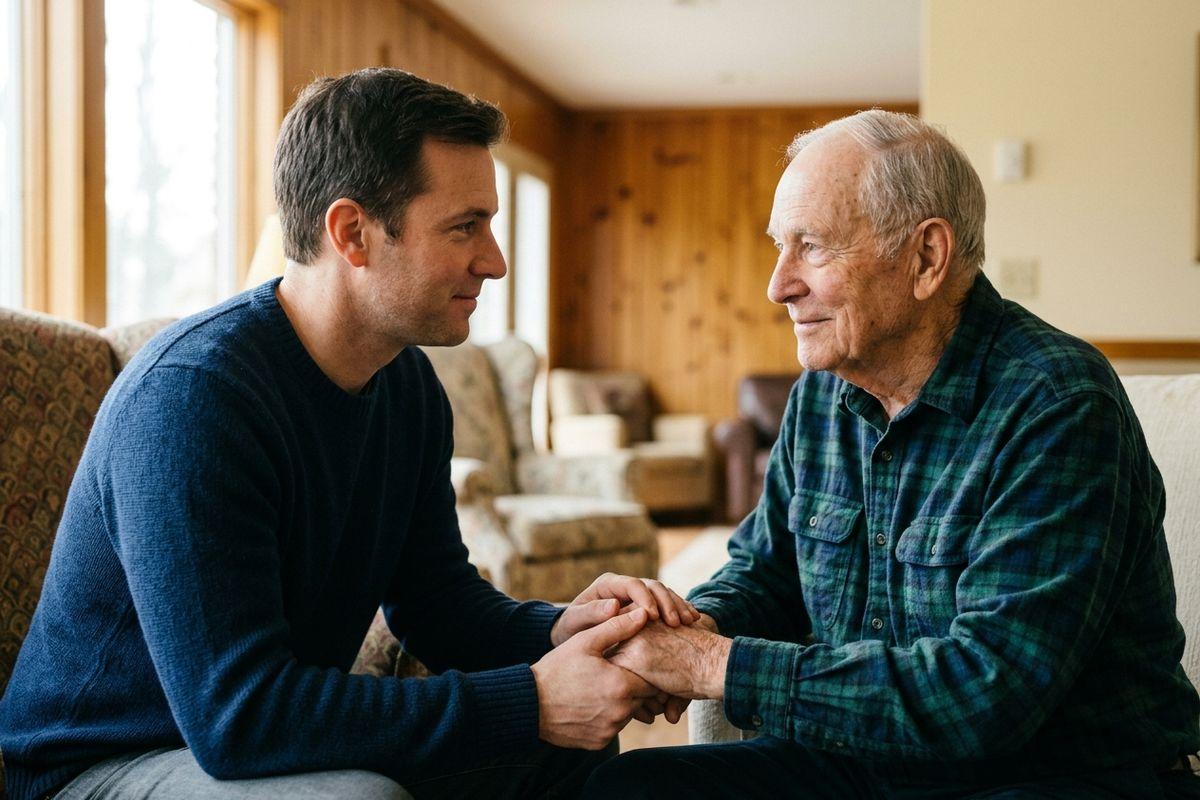
What to Say Instead When Talking to Someone With Dementia
It can be discouraging when conversations with someone you love no longer happen the way they used to. You might find yourself searching for the right words or wondering why a familiar question received an unexpected response. You can still have meaningful conversations together, and a few simple changes give you a place to start.
To communicate with a loved one with dementia, it helps to:
- Share familiar stories instead of asking your loved one to remember specific details
- Introduce yourself naturally if your loved one seems unsure who you are
- Offer two simple choices, such as tea or coffee
- Respond to your loved one’s feelings before addressing factual confusion
- Give them time to answer without interrupting or rushing
- Talk about familiar interests, including music, photographs, and hobbies
You don’t have to find the right response every single time. Some conversations will be brief, while others might lead to stories, laughter, or a quiet moment together. Pay attention to what your loved one responds to and build on those moments. The goal is to spend time together in a way that feels comfortable for both of you.
How to Make Everyday Conversations Easier
Communication involves more than finding the right words. Your surroundings, body language, and pace all influence how comfortably your loved one can follow a conversation. Before sitting down together, turn down the television, reduce background noise, and choose a familiar place where you can talk without frequent interruptions.
Approach your loved one from the front, sit where they can see your face, and speak at a natural pace. Give them time to process what you’ve said before asking another question. When words are difficult to follow, gestures, photographs, and gentle demonstrations provide other ways to communicate.
How Juniper Village at Paramus Supports Meaningful Communication
Your relationship with someone you love doesn’t disappear because dementia changes the way you communicate. Familiar stories, respectful conversations, and shared activities still give you opportunities to connect. By adjusting your approach to your loved one’s needs, you can continue spending meaningful time together.
You aren’t alone, either. Our team at Juniper Village at Paramus knows the challenges involved with caring for someone living with dementia, and we have the experience needed to give your loved one the life they deserve. Here, they can thrive in a community built to make every person feel at home. Schedule a visit with us today, and come discover the difference that targeted memory care can make for your loved one.